HOME
HOME 3D RENDERING
 3D SCANNING
 XR DEVELOPMENT

From treating anxiety and phobias to helping patients recover from physical injuries, VR is making a real difference in making healthcare more interactive, accessible, and effective to both practitioners and patients alike.
It gives therapists, doctors, and patients new ways to approach treatment, rehabilitation, and even surgical training in a controlled, immersive environment that feels more engaging than traditional methods.
In this article, we’ll take a closer look at how VR is already being used in mental health, physical therapy, and medical training and explore the broader benefits, challenges, and potential of this fast-evolving technology.

VR in Mental Health
Mental health treatment has come a long way, and virtual reality is now offering new ways to support people dealing with anxiety, stress, PTSD, and phobias.
“The potential is that VR treatment can be faster, more powerful, and have a greater appeal for patients than traditional mental health approaches,” says Daniel Freeman, founder and director of the University of Oxford VR lab for mental health disorders.
Today, instead of just talking through fears in a therapist’s office, patients can now face them in a safe, controlled virtual environment.
With something as simple as an off-the-shelf VR headset and software that creates a virtual environment, psychologists can use VR to assess or treat patients.
For example, someone with a fear of flying can “board a plane” in VR to gradually get used to the experience, without ever leaving the ground. Others might use calming VR spaces to practice mindfulness, breathing exercises, or guided meditation.
Therapists can adjust each scenario to fit the patient’s needs, making treatment more personal and engaging. The immersive nature of VR helps people stay focused and feel more present, which can make therapy more effective over time.

VR for Physical Therapy and Rehabilitation
As well as mental health, VR is starting to help people suffering with physical ailments make their recovery processes more engaging and motivating.
Using a VR headset and motion-tracking technology, patients can take part in interactive exercises that feel more like games than rehab sessions than monotonous physio or rehab. For example, they might reach for virtual objects, walk through a digital environment, or complete simple tasks designed to improve strength, balance, or coordination.
This kind of therapy offers a few key advantages. First, it gives real-time feedback, which helps patients (and therapists) track progress more easily. Second, the immersive experience helps hold a patient’s attention and keeps them motivated to continue. And finally, it allows therapy to be adapted in real time to the individual’s ability level, which makes it much more personal and effective.
What used to be a repetitive routine in a clinic can now become an engaging experience, whether it’s done at home or under supervision.

VR in Surgical Training
While we may still be a few years off VR being a mainstay in the surgical field, it is slowly starting to help medical professionals sharpen their skills in a risk-free environment.
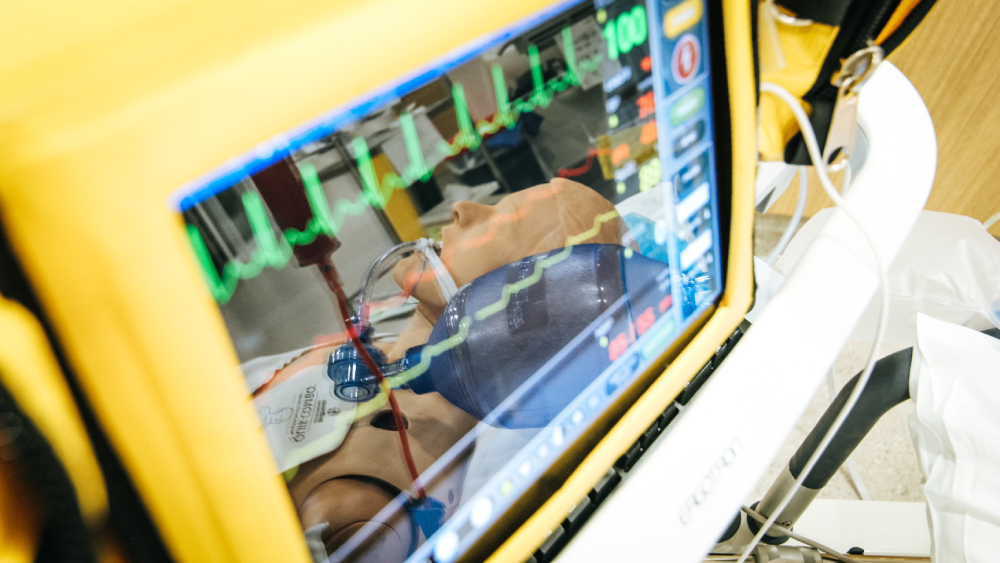
Using VR, trainees can perform realistic procedures in fully 3D environments without needing a physical patient or cadaver. These simulations can be repeated as many times as needed with no risk and all the while helping to build both confidence and muscle memory.
Here’s how VR is transforming surgical training:
Realistic simulations – Junior surgeons can practice everything from basic procedures to complex surgeries with lifelike visuals and scenarios
Instant feedback – Many VR platforms provide real-time feedback on technique, timing, and accuracy
No patient risk – Mistakes are part of the learning process, and VR allows trainees to make them safely
Team training – Some systems allow entire surgical teams to train together, improving communication and coordination
Accessibility – Training can happen anytime, anywhere, without the need for expensive operating room setups
This kind of immersive training is great for both students and those surgeons looking to sharpen their skills and keep up to date as new technologies and techniques emerge.
The Broader Benefits of VR in Healthcare
For patients, VR healthcare can make things more accessible and less intimidating. People in remote areas or with limited mobility can still receive therapy or rehabilitation via at-home VR setups.
And because many VR programs are gamified or visually engaging, patients often find them more enjoyable than traditional methods.
For healthcare providers, VR can offer a more efficient way to deliver care. It reduces the need for physical space and equipment in some cases, and helps standardise training across teams. VR data can also be recorded and reviewed, providing insights that improve both treatment plans and education strategies.

The Challenges and Considerations it Faces
As exciting as VR is for healthcare, it’s not without its challenges. Like any new technology, there are practical and ethical questions to consider before it becomes a standard part of treatment or training.
One major factor is cost. While VR headsets are more affordable than they used to be, building customised medical simulations or therapy environments still requires investment in software development and ongoing support. Smaller clinics or hospitals may find it harder to adopt VR without external funding or partnerships.
There’s also the learning curve. Healthcare professionals need proper training to use VR tools effectively, and integrating them into existing systems takes time. It’s not just about handing someone a headset—it’s about designing experiences that are clinically sound, user-friendly, and aligned with treatment goals.
Other considerations include:
Accessibility – Not every patient will be comfortable with, or able to use, VR technology
Technical issues – Like any digital tool, VR can have bugs, compatibility problems, or hardware limitations
Privacy and data – Collecting biometric or behavioural data through VR requires strong safeguards and ethical oversight
Despite these hurdles, most of the challenges are solvable, and many are already being addressed by innovators in the space. As the technology matures and becomes more mainstream, these barriers are likely to shrink.
Final Thoughts
VR is already changing the way healthcare is delivered and experienced. From helping patients manage anxiety or recover from injury, to giving surgeons a safe space to practice, VR is proving to be a versatile and powerful tool.
It brings together science, technology, and human care in a way that’s immersive, engaging, and full of potential. While there are still challenges to overcome, the progress so far shows just how valuable VR can be when thoughtfully applied.
As more providers, researchers, and innovators, like 3D Walkabout, continue to push the boundaries, the use of VR in healthcare will only grow. The future of treatment, therapy, and training may be virtual, but the impact is very real.

Summary: Virtual Reality in Healthcare
Mental Health: Patients face phobias and anxiety in safe, virtual environments
Rehabilitation: Engaging, game-like exercises boost recovery and motivation
Surgical Training: Realistic simulations offer risk-free practice for professionals
Wider Benefits: Improved access, better engagement, and streamlined training
Challenges: Cost, accessibility, and data privacy still need to be addressed
What’s the typical timeframe and cost for an AR project?
Project timelines vary based on complexity, but simple WebAR or AR model viewers can be delivered in 2 to 4 weeks, while fully-featured native apps may take 8 to 12 weeks or more. Costs depend on the number of models, level of interactivity, and development scope, and we provide fixed-price quotes after a scoping session with the client.
Can you track user interaction and engagement with AR experiences?
Yes, we can integrate analytics into both native AR apps and WebAR deployments. This allows clients to track key metrics such as the number of views, session duration, user location, interaction points, and conversion rates, providing valuable insight into how users engage with their AR content.
How do you ensure AR content loads quickly and performs well on mobile?
We optimise every element of an AR experience, from reducing polygon counts in 3D models to compressing textures and using efficient formats like GLB or USDZ. Our team ensures that AR experiences load fast, run smoothly on all modern smartphones, and provide a high-quality visual experience without draining device resources.
What industries do you work with for AR projects?
We work with clients across a wide range of industries including construction, mining, real estate, retail, education, tourism, and manufacturing. Our AR solutions are used for everything from product visualisation and virtual property tours to immersive training modules and historical reconstructions.
Do users need to install anything to view AR experiences?
It depends on the delivery method. WebAR experiences require no installation and can be accessed with a simple link or QR code. Native apps must be downloaded from an app store, but they offer additional features and higher performance. We help clients choose the right approach based on user experience goals and technical needs.
What is Sketchfab and how is it used in AR?
Sketchfab is an online platform for publishing and sharing 3D models, and it includes built-in AR viewing capabilities. We use Sketchfab to host client models, configure interactivity such as annotations or animations, and then embed these models into websites or online portals so users can explore them in 3D or AR from any device.
Can you integrate AR content into our existing website or e-commerce platform?
Absolutely. We can embed AR models directly into websites using WebAR technology or services like Sketchfab, enabling users to view products or environments in 3D and AR directly from their browser. This is especially effective for industries like retail, real estate, and architecture, where visualisation drives engagement and conversion.
Can you create and optimise 3D models for AR?
Yes, we specialise in producing high-quality, lightweight 3D models specifically optimised for AR applications. Our modelling process ensures that models are visually realistic while maintaining low polygon counts for fast performance, and we export them in formats like USDZ, glTF, or GLB to suit different platforms and devices.
How does WebAR differ from native AR apps?
WebAR runs directly through a mobile browser and doesn’t require users to download an app, making it ideal for quick access and mass engagement. Native AR apps, on the other hand, are installed on a user’s device and allow for more advanced features such as persistent tracking, offline access, and higher performance, making them better suited to complex or enterprise-level applications.
What types of AR solutions do you offer?
We develop a range of augmented reality solutions including native mobile apps for iOS and Android, browser-based WebAR experiences that don’t require downloads, and interactive AR models that can be embedded into platforms like Sketchfab. Each solution is tailored to the client’s specific use case, audience, and technical requirements.
How is XR different from VR or AR alone?
XR covers all immersive technologies, combining aspects of VR, AR, and MR to create diverse interactive experiences that blend digital and physical worlds.
What does XR stand for?
XR stands for “Extended Reality” and is an umbrella term that includes Virtual Reality (VR), Augmented Reality (AR), and Mixed Reality (MR).
Can the Matterport tour be viewed on mobile devices?
Yes, Matterport tours are compatible with mobile devices, including smartphones and tablets. This enables users to access and explore the virtual tour on-the-go, providing convenience and accessibility.
Can I embed additional information or multimedia content within the Matterport tour?
Yes, Matterport tours can include embedded information, links, images, videos, and other multimedia content. This allows you to provide additional details about specific areas, procedures, or services offered within your medical facility.
Can a Matterport tour be updated if there are changes to my medical facility?
Yes, Matterport tours can be updated and modified as needed. If there are changes to your medical facility, such as renovations or additions, the virtual tour can be updated to reflect the new layout and features.
How long does it take to create a Matterport virtual tour?
The time required to create a Matterport virtual tour depends on the size and complexity of your medical facility. Smaller clinics or doctor’s offices can typically be scanned and processed within a few hours, while larger hospitals may take a day or more. The process includes capturing the 3D data, processing it into a virtual tour, and optimising it for viewing.
Can a Matterport virtual tour be integrated with my website or social media platforms?
Yes, Matterport virtual tours can be easily integrated into your website and shared across various social media platforms. This allows you to reach a wider audience and provide potential patients with an engaging and interactive preview of your medical facility.
How can a Matterport tour enhance patient education and engagement?
Matterport tours provide an interactive and immersive experience for patients. They can be used to educate patients about the layout, equipment, and amenities of your medical facility, helping to alleviate anxiety and enhance their understanding of the treatment process. This increased engagement can lead to better patient satisfaction and outcomes.
Can a Matterport tour be customised to showcase specific areas of my medical facility?
Yes, Matterport tours can be customised to highlight specific areas of interest within your medical facility. Whether it’s showcasing state-of-the-art equipment, patient rooms, surgical suites, or waiting areas, the tour can be tailored to meet your specific needs and objectives.
How can a Matterport virtual tour benefit my medical facility?
Matterport virtual tours offer several benefits for medical facilities. They can help with facility planning and design, allowing stakeholders to visualise and make informed decisions remotely. They also serve as a powerful marketing tool, allowing prospective patients to virtually explore the facility, leading to increased engagement and trust.
What is a Matterport 3D virtual tour?
A Matterport 3D virtual tour is a digital representation of a physical space, such as a dentist’s office, doctor’s clinic, or hospital, created using specialized cameras and software. It allows viewers to navigate and explore the space as if they were physically present, providing an immersive and interactive experience.
How does MR improve patient care and doctor-patient communication?
MR enhances doctor-patient communication by visualizing medical information and treatment options in a more understandable and engaging manner. It allows healthcare professionals to explain diagnoses, treatment plans, and potential outcomes more effectively, empowering patients to make informed decisions about their healthcare journey.
Is MR technology being used for patient rehabilitation and therapy?
Absolutely. MR can be used in patient rehabilitation by creating immersive environments for physical therapy, cognitive exercises, and pain management. It provides interactive feedback, engaging patients in their recovery process and promoting better outcomes.
Can MR assist in surgical planning and visualization?
Yes, MR enables surgeons to visualize patient anatomy in 3D, allowing for better surgical planning, precision, and outcomes. It helps surgeons understand complex structures, simulate procedures, and make more informed decisions during surgeries.
How is MR being used in medical training and education?
MR is revolutionizing medical training by providing realistic simulations, virtual anatomy models, and interactive learning experiences. It allows students and healthcare professionals to practice procedures, diagnose conditions, and learn complex medical concepts in a safe and controlled environment.
What is MR in the context of the medical and healthcare industry?
MR, or Mixed Reality, combines elements of virtual reality (VR) and augmented reality (AR) to create immersive and interactive experiences for medical and healthcare applications.
How much does PlayStation virtual reality cost?
In Australia, the PlayStation VR2 console is currently available to preorder, with prices ranging from $879 to $960.
Can you still buy PlayStation VR?
While the original PlayStation VR is still in production, it’s not currently available at any Australian retailers. The upcoming virtual reality headset, the Playstation VR2, is set for release on the 22nd of February 2023.
Does Sony do virtual reality?
Sony is indeed involved in the development and production of virtual reality (VR) technology. Sony has released several VR products, including the PlayStation VR headset, which allows users to experience immersive virtual environments.
In fact, Sony has been deeply involved in the VR and AR (augmented) reality scenes since 1996—and they’re showing no signs of slowing down. It has recently new VR goggles known as the PlayStation VR2, which will open up new opportunities for the current PlayStation 5 console.
Is Samsung in the Metaverse?
Yes. In January 2022, Samsung launched its 837X, a virtual world modelled on the physical 837 centre in New York City. Within the space, guests can explore the range of experiences available with Samsung tech. They can complete quests, follow the news, and even partake in Samsung’s commitment to sustainability. Samsung 837X launched in Decentraland, a Metaverse powered by blockchain.
Is HoloLens 2 mixed reality?
Hololens 2 is a mixed reality system. Augmented reality glasses tend to be a part of a system that uses a phone, combining the world around us with graphics, data and similar readouts. The Hololens 2 is a standalone product that presents information without the need for a phone.
Do I need a VR headset for metaverse?
You don’t need a headset to enter the Metaverse. While headsets definitely make for the best VR experiences, you don’t need one to enter Metaverse worlds. All you really need is a computer with VR capabilities and you’re good to go.
Is Meta going to be VR?
Yes. The Meta Quest 2 is leading the VR world with its immersive gaming and virtual experience opportunities. Meta’s also working on a high-end VR headset, under the codename “Project Cambria”. This headset will overtake the Quest in terms of its capabilities and will be more suitable for workers who could even replace their laptop or PC with this interactive hardware.
Can I use the Metaverse on my laptop?
Yes, you can access some Metaverse platforms using your laptop, such as Decentraland. Other platforms may require VR headsets, VR goggles, AR glasses, or AR goggles for access.
Does the HP Reverb work with SteamVR?
Yes, the HP Reverb is compatible with SteamVR. All you need to do is download and install the Steam app, plug in your HP Reverb G2, and launch the Steam app. Next, click the VR icon within the Steam interface and follow the instructions to connect your headset.
How do I use my HP VR headset?
The HP VR headset is easy to set up. Just connect your headset to a compatible computer using the included cables and install the required software by following the on-screen instructions. Next, turn on your controllers and follow the guide to set up your VR space.
Is HP compatible with VR?
Yes, many of HP’s hardware offerings are compatible with their VR and MR headsets, including many of their desktop PC and laptop models.
Why did Google stop VR?
Google began its VR shutdown in 2019. In its statement, Google claimed there was difficulty encouraging consumers to use their phones for VR, and this meant limited access to apps. The company also said they hadn’t benefited from the reach or adoption among consumers or developers that they’d hoped for. It’s around this time they also open-sourced their Cardboard project.
Does Google have a virtual reality headset?
Yes. The Google Cardboard is an extremely accessible, affordable (available for under $10 on Amazon) headset which users can easily put together themselves before entering into a quality immersive VR experience.
Does Google have a metaverse?
While Google’s been a bit slower than Meta and Apple to launch itself into the Metaverse, it has been working behind the scenes. With its pervasiveness across search and maps, and its strengths in AI, it’s undeniable Google will become a key player in the Metaverse.
Does Apple have VR glasses?
Not yet, but Apple’s VR and mixed reality headset is in the works. It’s likely to stand up as a strong competitor to established VR headsets in the industry and to be the company’s predecessor to its AR glasses.
Is Apple in the metaverse?
Apple’s been slower to enter the Metaverse than other tech giants, and while this might look like they’re falling behind Apple is backed by a strong app and developer network. This puts them in better stead to enter the Metaverse with a strong product base and marketing approach.
Is Apple VR a thing?
Definitely. Apple’s confirmed they’re working on VR, and their proposed headset is rumoured to be a real competitor with the Meta Quest 2, the PSVR 2, and all other leading headsets within the space. The headset’s rumoured to be Apple’s precursor to AR-focused glasses.
Is Amazon working on virtual reality?
Amazon has been working on VR hardware since 2017, and is expected to fight to become one of the world’s leading VR brands. Amazon XR is already widely used for commercial purposes, and we can expect further Amazon MR brands and AR brands to tether more towards entertainment use.
How does Amazon use augmented reality?
Amazon currently allows shoppers to liaise with AR brands to place digital products in the home. This helps consumers to assess if things like the colour or size of an item will work in a room. However, Amazon is expected to grow its Amazon VR and Amazon AR business models further in the near future.
Does Amazon have a Metaverse?
Amazon is reportedly getting ready to unleash its Amazon Meta World. In September 2022, it showcased its VR business in five different cities. We can therefore presume that Amazon will be readying the release of XR glasses, XR headsets or XR goggles within the next twelve months.
What technology is used in Metaverse?
The Metaverse is powered by a number of technologies. These include Blockchain, which decentralises the Metaverse and develops use cases, AR and VR technologies for immersive experiences, Artificial Intelligence, which allows for avatar creation and computer control, 3D reconstruction, which includes the creation of digital twins and photorealism, and IoT, which streamlines data management, integration, and simulations.
What equipment is needed for Metaverse?
Before you join the Metaverse, you’ll need gear. This includes a robust PC or smartphone, a VR headset to access the Metaverse and reduce distractions, VR gloves to take your sensory experience even further, AR glasses to merge the real and the digital, and AR wristbands to trigger virtual movements in XR.
Does Google have a metaverse?
While Google’s been a bit slower than Meta and Apple to launch itself into the Metaverse, it has been working behind the scenes. With its pervasiveness across search and maps, and its strengths in AI, it’s undeniable Google will become a key player in the Metaverse.
What is mixed reality vs augmented reality?
Augmented reality (AR) adds virtual information on top of what a user already sees. MR goes a step beyond this, allowing for physical and virtual environments to interact with each other, and for users to engage with these environments also. AR enhances what a user experiences of the world around them, while MR seamlessly integrates physical and virtual realities so that it’s hard to tell the difference.
What is a key feature of mixed reality?
Mixed reality is focused on collaboration and improved experience. Users can easily interact with one another within the MR environment, sharing 3D models of their physical space with virtually-connected users and engaging with others through gesture and speech recognition.
How is mixed reality used today?
Mixed reality is employed by many industries and businesses to improve employee experience and performance, simplify processes, save time and money, and deliver better results for consumers. It allows both company workers and customers to engage with combined physical and virtual spaces, interacting with the real and digital objects around them.
What is mixed reality and example?
Mixed reality allows for interactions with both physical and virtual realities at the one time. It can be employed in many ways, and an example might be a headset used by gamers, or a simulated environment as part of business training and experience.
What is the concept of mixed reality?
Mixed reality merges the physical and virtual worlds to generate a new environment in which these elements co-exist. It offers immersive user experiences, simplified business processes, and savings on the time and costs involved in developing prototypes, reviewing products, and testing employees.
Do hospitals use AR?
AR is coming into its own in the hospital environment and is being used to enhance the work of X-rays and similar scans. AR can be used to create 3D models of patients in order to diagnose ailments more quickly and therefore provide solutions in a faster manner.
How is augmented reality helping doctors?
When it comes to treatments, AR can help hugely in diagnosing illnesses quickly and therefore providing the correct treatment in as little time as possible. In the medical field, this is crucial as it can mean the difference between life and death in some situations.
How is augmented reality used in surgery?
During surgery, it is possible for a doctor to use an AR headset to display notes on the patient which could be crucial as well as scans or images taken before the event. In surgery, AR has been proven to help increase the speed of access to these documents and such important information at a moment when speed is key.
What are the benefits of augmented reality to patients and health workers?
One of the main benefits of AR for patients is how it can be used to demonstrate any problems or internal issues. This can make a diagnosis much easier to understand and therefore less scary. Putting nervous patients at ease can be a great help in ensuring they agree to receive important surgery or treatments.
What are AR applications that are used in medicine?
Using AR, nurses and doctors can be trained much more efficiently and in a way that ensures they are physically understanding the processes that need to be undertaken. It also means doctors can practise tricky surgeries as many times as possible before undertaking the procedure on a real person.
Do doctors use augmented reality?
In hospitals, AR is used by doctors already. In some remarkable cases, augmented reality has been used by surgeons to practice detailed procedures. In another case, an AR headset allowed a surgeon to view previous images taken as well as patient notes during an in-depth surgery to assist with the process.
How is augmented reality being used in healthcare?
When a patient first arrives, 3D scans can help to locate internal injuries and understand the extent of problems quickly and efficiently. This means treatment can be prescribed much faster, potentially improving the prognosis. For patients, AR can be used to help explain issues and procedures.
How virtual reality is used in medicine?
Virtual reality has seen a lot of success in the area of pain management. VR is a highly effective method of drawing and holding the attention of a patient, stimulating the brain and keeping patients entertained. This immersion is ideal for potentially painful procedures like skin grafts or injections.
Do doctors use virtual reality?
Yes! Doctors use VR training for a series of purposes, including explaining in more detail what a patient’s condition means. By putting a patient into a VR landscape, doctors use hyperrealistic models to present the injuries that a patient is suffering from and how the causes of these injuries worsen conditions, acting as a preventative measure.
Is VR used in hospitals?
VR is being used in hospitals, both in training staff and in patients. Patients use VR for a range of reasons, including learning all about their treatments, stimulating the minds of patients undergoing psychological therapy and using games to support the use of physical therapy in the case of long-term injuries.
How is VR used in healthcare and surgery?
VR primarily has been used in surgery and training new surgeons. By creating 3D environments and virtual patients ready for interaction, trainee surgeons complete the procedures that they would on standard patients without the hospital having to pay for dummies for the operation or risking the health of actual patients.
How has virtual reality helped in healthcare?
Virtual reality has helped in healthcare in a range of ways, with one of the most important being information transfer. Patients specifically learn a lot through the use of VR in healthcare, as they see visual representations of their own illnesses or conditions and watch 3D representations of what their treatments are.
What is virtual reality in healthcare?
Virtual reality refers to the use of systems that create 3D environments that users visit through the use of VR headsets and controllers that go into a user’s hands. VR in healthcare refers to the use of these systems in a healthcare environment, typically through training and patient interaction.
What are the disadvantages of VR?
VR does have a few notable disadvantages for users, such as the risk of dizziness and nausea when inhabiting the virtual environment. There are also concerns that too much time spent in virtual reality can damage eyesight. Some of the headsets used to enter virtual environments are also quite heavy and uncomfortable to wear.
What is the difference between AR and VR?
Although augmented reality (AR) and virtual reality (VR) are similar in their concept, they have a few notable differences. AR requires a real-world environment to function, whereas VR creates a virtual world. AR allows users to manipulate real-world surroundings, but VR can’t do this. VR uses specialised hardware such as headsets, while AR doesn’t.
What is the price of VR?
Prices for virtual reality vary dramatically depending on the type of virtual reality hardware used. Off-the-shelf virtual reality headsets currently cost anywhere from $400 to $1,000 for a standard VR setup. However, more bespoke options are much more expensive due to the customisation and capabilities of the systems.
Who invented virtual reality?
Virtual reality was initially conceived in 1968 by Ivan Sutherland and Bob Sproull. Together, they created a head-mounted virtual reality display known as the Sword of Damocles that was directly connected to a computer. It was a cumbersome device that was suspended from a ceiling, which is where the name came from.
What is the future of virtual reality?
The future of virtual reality looks very promising thanks to further innovations and technology associated with virtual worlds. Many of the barriers that virtual reality presents, such as motion sickness or asset clipping, will be removed due to improvements in the technology and tools applicable to virtual reality.vr
What are AR applications that are used in medicine?
Using AR, nurses and doctors can be trained much more efficiently and in a way that ensures they are physically understanding the processes that need to be undertaken. It also means doctors can practise tricky surgeries as many times as possible before undertaking the procedure on a real person.
Do doctors use augmented reality?
In hospitals, AR is used by doctors already. In some remarkable cases, augmented reality has been used by surgeons to practice detailed procedures. In another case, an AR headset allowed a surgeon to view previous images taken as well as patient notes during an in-depth surgery to assist with the process.
How is augmented reality being used in healthcare?
When a patient first arrives, 3D scans can help to locate internal injuries and understand the extent of problems quickly and efficiently. This means treatment can be prescribed much faster, potentially improving the prognosis. For patients, AR can be used to help explain issues and procedures.
Is the healthcare industry spearheading the metaverse?
Yes. The healthcare industry offers great opportunity to grow what has already been achieved with VR and AR. Collaboration and connection are at the forefront of the metaverse, as are interactive learning techniques and opportunities that will help medical students learn at a faster pace.
Will blockchain transform healthcare?
Yes. Blockchain has the potential to completely transform healthcare. With the patient or user at the centre, blockchain offers providers a much more in-depth, collaborative approach when it comes to patient treatment and support. It also improves the privacy and security of health data and information.
Is there insurance in the metaverse?
Yes. Metaverse insurance operates the same as real-world insurance, helping protect data from errors or compromise that might arise through hacking, attacks, or a breach of privacy.
What is a digital twin in healthcare?
A digital twin is sort of like an avatar. It’s a computer-generated model of a person which can be used as part of surgery or treatment simulation, to help with research, or to predict the particular outcomes of a procedure.
Is Blockchain used in healthcare?
Yes. Blockchain is used in XR healthcare to:
- Maintain data security and the exchange of sensitive information
- Save patients’ records securely
- Safely store large amounts of genetic data points within the genomics space
- Boost connection and interaction between patients and providers
- Counter pharmaceuticals counterfeiting, with transparency throughout the supply chain
What is metaverse in pharma?
The Metaverse has expanded the possibilities, reach and scope of pharma. Metaverse can be used to better indicate how a drug works, to indicate what particular symptoms or illnesses may look like, and to encourage greater interaction between a pharma business or company and HCPS, patients, consumers and medical professionals. Through the Metaverse, these groups can come together to discuss what they’re experiencing based on their interaction with a certain product or a particular treatment pathway.
How does the metaverse affect mental health?
The metaverse can be both a help and a hindrance within the mental health space. Virtual realities within the Metaverse can help individuals experiencing mental health challenges form meaningful connections within safe environments. On the flip side, XR mental health services and technologies can make issues worse, particularly in the case of a person whose anxiety prevents them from leaving their home. In such instances, an over-reliance on virtual interaction may develop.
How metaverse is used in healthcare?
Metaverse is used in healthcare in various ways, including:
- Virtual surgeries with collaboration between professionals
- Important patient information conveniently displayed on screens
- Efficient test results delivered in real time
- Ease of access to images in better detail
- Easier collaboration on 3D imagery
- Easy use of medical wearables
What is XR?
Extended Reality encompasses all forms of digital experiences including virtual reality (a complete digital world), augmented reality (digital objects placed into the real world) and mixed reality (which builds on AR by including 3D touch and olfactory technology). XR is a term used to refer to any sort of technology-created reality.
How can businesses use Extended Reality (XR) technologies?
Augmented Reality (AR) can be used by businesses to effectively connect colleagues across the world for meetings to optimise collaboration across teams and with employees in different countries. XR can also be used as a tool during training and onboarding to promote engagement and enhance employees’ takeaways.
What can XR be used for?
Extended Reality can be used across many fields for life-changing purposes. Mixed Reality can be used in the medical field to practise and hone operation skills and improve results for patients. XR could also have a significant impact on improving safety and design in architecture and construction.
What is XR vs VR?
Virtual Reality (VR) is a type of digital world accessed through headsets, which places you inside a digitally-created space. This is often used in gaming. There are other kinds of digital experiences too, and all of these fall under the umbrella term ‘Extended Reality’ (XR).
What's the difference between XR and AR?
Augmented Reality (AR) allows a user to see digital items incorporated into their view of the real world. This could include seeing a product you’re considering buying placed on the table in front of you. Extended Reality is the term that groups all kinds of digital experiences together, including AR.
What is an example of Extended Reality?
One of the most widely known examples of Extended Reality is the use of filters, which place items like hats into your images. These can be utilised for marketing purposes to increase engagement and awareness of a brand and improve its ability to be quickly shared.
How do you make money on metaverse?
There are many ways to make money on metaverse, including buying virtual land and selling it on, or through gaming, which rewards you for completing different levels. On a larger scale, real-life artists performing concerts through Metaverse can draw large crowds and is a viable profit-making opportunity.
What is metaverse example?
One example of the metaverse is Second Life, a virtual world where users can design their own avatars and use the platform to interact and converse with other users. At its peak in the 2000s, it hosted millions of users who devoted hours to the game each day.
I have an idea for a VR application but don't know where to start?
That’s an easy one. Our team are used to dealing with very early stage conceptual ideas. We’ll brainstorm the best solution for your business given it’s desires and constraints. Once we’ve decided on the best way forward together we’ll put together a quote and start making your idea a (virtual) reality.